Quick Summary
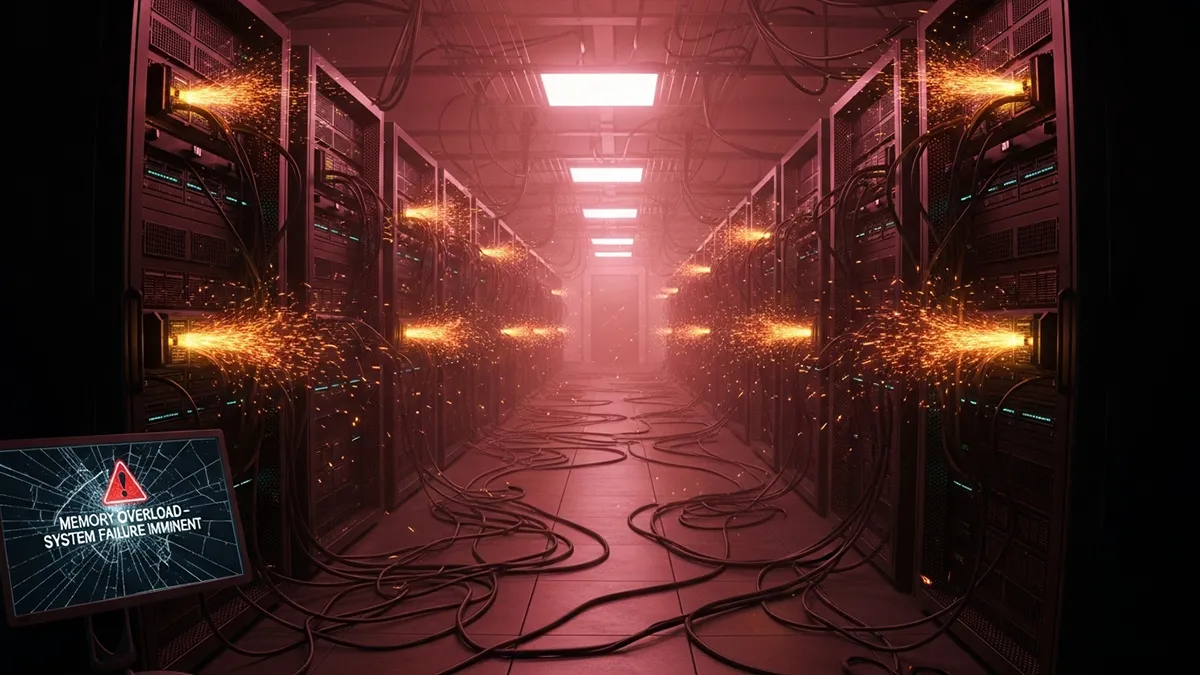
The current GPU memory crisis has fundamentally changed how consumers approach hardware upgrades and system maintenance. Manufacturers are struggling to balance production costs with the increasing demands of modern AI-driven software. As a result, many users find themselves stuck with older hardware that must now perform beyond its original design specifications.
Compounding this issue is the persistent RTX 50 series shortage affecting global retail markets throughout this year. High demand from the industrial AI sector has diverted significant resources away from consumer-grade graphics cards. This lack of availability makes it nearly impossible for the average user to upgrade to more efficient cooling solutions.
The 8GB VRAM Bottleneck
Many modern entry-level machines still ship with an 8GB VRAM GPU as their standard configuration. While this was sufficient for basic tasks in previous years, the landscape of 2026 is far more demanding. Users frequently encounter memory bottlenecks that cause significant system slowdowns during high-intensity creative or technical workflows. Modern software development has pushed AAA games VRAM requirements 2026 to unprecedented new heights. High-resolution textures and complex ray-tracing effects demand massive amounts of video memory to maintain stability. When the hardware runs out of available space, it begins to swap data, generating additional heat across the entire board.
The ongoing VRAM shortage 2026 has forced developers to optimize their code for limited hardware environments. However, these optimizations often result in much higher utilization rates for the existing memory chips. This sustained activity leads to a rapid increase in operating temperatures that standard laptop cooling systems struggle to dissipate.
High-performance NVIDIA memory chips are designed to handle significant electrical loads, but they are not invincible. Continuous exposure to extreme thermal environments can lead to long-term reliability issues for the entire graphics card. Managing these temperatures is essential for anyone who wants to ensure their hardware survives this market cycle.
"Modern hardware often suffers from extreme GDDR6X heat density during prolonged AI inference or rendering sessions. Because these modules are packed so tightly on the circuit board, heat accumulates faster than it can be moved. This localized thermal stress is a primary cause of silent performance throttling in high-end laptops."
The GDDR6X Heat Problem
Laptops are particularly vulnerable to these issues due to their shared heat pipe architecture designs. In these systems, the heat from the CPU and GPU core travels through the same copper conduits. This creates a thermal saturation effect that prevents the memory modules from cooling down effectively during long sessions. To understand why this architecture causes problems, see Why VRAM Overheats in Modern Laptops.

Know your VRAM Thermal Limits
Download the 2026 Reference Chart for RTX 30/40/50 Series.
To address these challenges, users must adopt Memory Junction temperature monitoring 2026 as a standard practice. Relying solely on the GPU core temperature provides an incomplete and often misleading picture of your system's health. Understanding the thermal reality of your memory chips is the first step toward achieving long-term stability. For more on this visibility gap, see Task Manager Ignores VRAM: Why You Need More Granular Control.
Software-Based Thermal Management
VRAM Shield offers a sophisticated solution for managing these complex thermal environments without requiring hardware modifications. It provides a proactive management layer that monitors your system telemetry in real-time. By intervening before temperatures reach critical levels, it safeguards your hardware while maintaining a smooth and responsive user experience.
The utility utilizes a proprietary technology known as Pulse Throttling to manage high-intensity workloads. This method introduces millisecond-long micro-suspensions in the specific process causing the thermal load. These tiny pauses allow the cooling system to dissipate heat soak more effectively than traditional global power capping methods used previously. For a detailed technical comparison, see Pulse Throttling vs. Undervolting: A Technical Comparison.
Achieving consistent performance is the ultimate goal for any professional working with high-performance hardware today. When thermal limits are reached, the system often triggers erratic firmware-level throttles that ruin your productivity. Managing these cycles through software ensures that your output remains predictable and your system stays perfectly stable.
For those who require the highest level of precision, the PRO version includes Smart Throttling capabilities. This feature uses a PID-controller to calculate the exact balance between cooling and performance. It ensures that your hardware operates at its maximum potential without ever triggering a reactive and blunt thermal emergency. Learn more about how it compares in Pulse Throttling vs. Smart Throttling.
Protecting Your Investment
Proactive management is the most effective way to mitigate the risks of thermal degradation in expensive electronics. By keeping your memory junction within safe operating limits, you extend the functional lifespan of your graphics card. This is especially important when the current market makes hardware replacements difficult to find.
Solving the problem of laptop VRAM overheating requires a shift in how we think about system resources. Instead of just adding more fans, we must use smarter software to manage the duty cycle of the chips. This approach allows for a quieter and more stable computing environment for everyone.
Finally, maintaining consistent rendering speeds is vital for meeting deadlines in professional creative environments. Unmanaged heat leads to unpredictable slowdowns that can double the time required for a project. Taking control of your thermals ensures that your workstation remains a reliable tool for your long-term professional growth.
Don't let unmanaged heat compromise your expensive hardware investments while you wait out the global market crisis. Take direct, professional control of your system's thermal performance today. Secure your workflow stability and safeguard your hardware by choosing your VRAM Shield plan today.