Quick Summary
The global DDR5 RAM shortage 2026 has fundamentally altered how enthusiasts approach PC building and system maintenance. As supply chains struggle to meet the overwhelming demand from the AI sector, consumer-grade memory has become a rare and expensive commodity.
The Modular RAM Illusion
Many builders now find that desktop RAM too expensive to justify for mid-range configurations or experimental workstations. This financial barrier has sparked a surge in unconventional hardware modifications, as users search for any viable way to complete their builds within reasonable budget constraints.
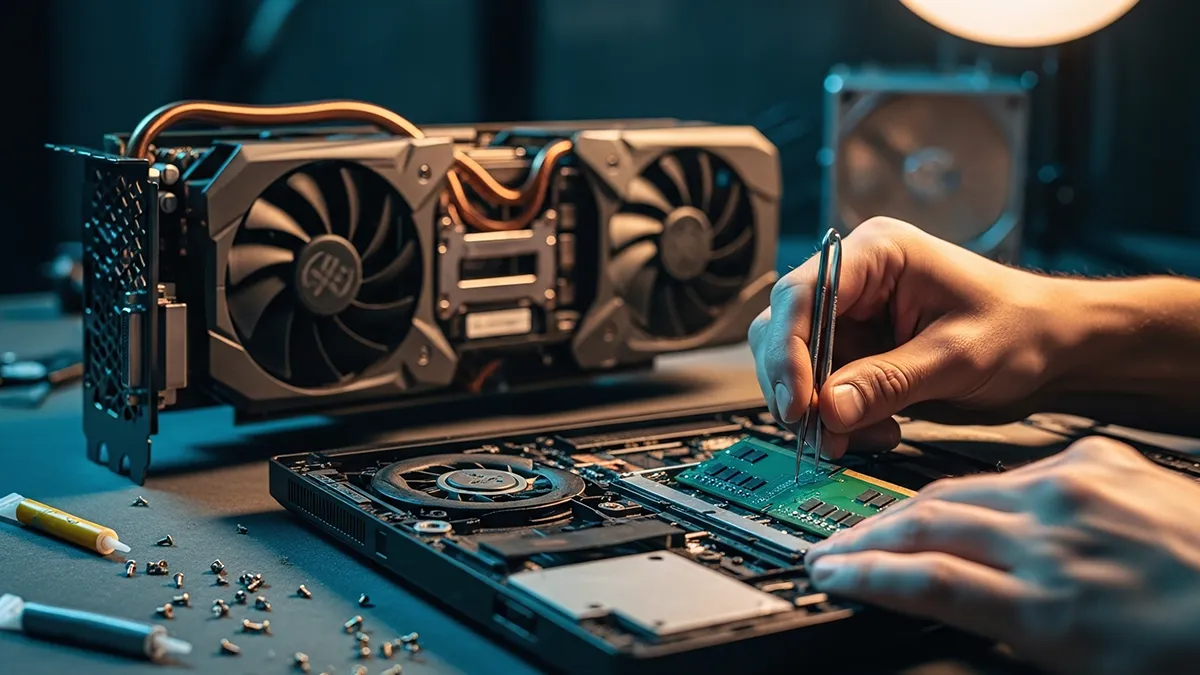
One of the most successful trends in this environment is the laptop RAM in desktop workaround. By utilizing inexpensive interposers, builders are repurposing high-capacity SO-DIMM modules originally intended for mobile workstations. While this requires careful configuration, it has become a staple strategy for those navigating the current memory market.
A specialized SO-DIMM to DIMM adapter serves as the primary bridge for this technical conversion. These passive components route the electrical signals from the smaller laptop modules to the standard desktop slots. It is a straightforward engineering solution that allows for significant cost savings without sacrificing total system capacity.
Finding a reliable DDR5 SODIMM adapter is now a top priority for budget-conscious creators and gamers. These adapters allow users to tap into the surplus of laptop memory that often remains more available than retail desktop kits. It represents a pragmatic response to the ongoing supply imbalances affecting the industry. Successfully running a laptop RAM desktop PC setup provides a unique sense of accomplishment for modern "indie" builders. While it may not reach the extreme frequencies of premium overclocking kits, it delivers the stability needed for daily professional tasks. This hack proves that modular components offer a vital safety net during global shortages.
However, the DDR5 memory crisis has also highlighted a critical limitation in modern computer architecture. While system memory is modular and easily adapted, other components are far more rigid. This distinction is vital for understanding where your hardware management efforts should be focused to ensure long-term stability.
Finding a cheap DDR5 workaround for your system RAM is a relatively low-risk endeavor for most users. If an adapter fails or a module becomes unstable, the replacement cost is manageable. The modular nature of the motherboard allows for easy troubleshooting and rapid component swaps during the diagnostic process.
"Unlike a modular RAM stick, a 'fried' VRAM chip usually means the entire graphics card is destined for the scrap heap."

Know your VRAM Thermal Limits
Download the 2026 Reference Chart for RTX 30/40/50 Series.
Irreplaceable VRAM: Software Over Hardware
The same cannot be said for your graphics card, where the laptop memory desktop hack simply cannot be applied. Video memory (VRAM) chips are permanently soldered to the GPU's printed circuit board. There are no adapters or interposers that can save a graphics card once its memory modules fail due to heat.
Furthermore, these conversions can sometimes introduce subtle signal integrity issues within the memory subsystem. While system RAM can often recover from these errors through parity checks, VRAM operates under much tighter latency constraints. Any instability in the graphics memory usually results in immediate visual artifacts or total system crashes.
Choosing the best SO-DIMM adapter DDR5 desktop users can find is essential for maintaining a clean signal path. High-quality adapters use multi-layer PCBs to mimic the electrical characteristics of a native DIMM. Even then, the added physical distance can limit the maximum stable frequency your system can achieve. Users attempting to run laptop DDR5 in AM5 motherboard environments must also contend with the specific training requirements of modern memory controllers. These systems are highly sensitive to timing deviations. Achieving a stable boot often requires manual BIOS intervention to set conservative JEDEC speeds rather than aggressive XMP profiles.
This technical fragility stands in stark contrast to the robust but dangerous thermal reality of RTX 40-series VRAM overheating. Unlike system RAM, which sits in open air, VRAM is often trapped under massive heatsinks. This proximity to the GPU core creates an environment where thermal saturation is a constant threat.
When these soldered modules hit their limit, the thermal emergency protocol within the firmware takes control. This is a reactive survival mechanism that slashes performance to prevent permanent silicon degradation. Unlike a modular RAM stick, a "fried" VRAM chip usually means the entire graphics card is destined for the scrap heap. Professional creators must prioritize Memory Junction temperature monitoring 2026 to safeguard their most expensive components. Relying on basic core temperature readings is a dangerous oversight that ignores the localized heat density of GDDR6X modules. Understanding the real-time thermal state of your memory is the only way to prevent silent throttling.
Maintaining consistent performance rendering is nearly impossible when your hardware is constantly fighting against its own thermal limits. As the VRAM heats up, the system's ability to process complex shaders and textures diminishes. This leads to unpredictable render times that can jeopardize professional deadlines and creative workflows.
The Pulse Throttling benefits offered by specialized management software provide a proactive defense against these thermal bottlenecks. By introducing millisecond-long micro-suspensions in the workload, you allow the cooling assembly to dissipate heat more effectively. This ensures that your irreplaceable VRAM chips stay well within their safe operating boundaries.
VRAM Shield utilizes advanced Smart Throttling technology to automate this complex management process for the user. Instead of relying on blunt power caps, the software uses a PID-controller to find the optimal balance between cooling and throughput. This proactive approach safeguards your hardware longevity while ensuring that your creative process remains entirely uninterrupted.
In an era where hardware is scarce and expensive, protecting what you have is the most effective strategy. While you can hack your system RAM with adapters, your GPU requires a more sophisticated, software-defined safety layer.
Don't let unmanaged heat compromise your irreplaceable hardware investments and ruin your daily productivity. Take professional control over your system's thermal performance and maintain rock-solid stability during heavy workloads. Secure your hardware's performance today by choosing your optimal Professional plan.